
2026 T20 World Cup Trends: 5 Must-Know Tactics You Can’t Afford to Miss
The 2026 T20 World Cup is ongoing, and the game has changed dramatically since the last edition. From tactical innovations to shifting batting philosophies, this tournament has already shown cricket’s rapid evolution. After analysing data from 2025 and early 2026, five clear 2026 T20 World Cup trends have emerged that will separate the best from the rest. Whether it’s batters retiring out, spinners owning the death overs, or left-handers taking over lineups, these trends are redefining how T20 cricket is played at the highest level. Let’s have a look at all.
1. The Rise of the “Retired Out” Tactic
To be very honest, I always think “Retired Out” is one of the very disrespectful ways for a player to get out. BUT nowadays, when you look at international matches, you often see players who bat very slowly or take a long time to settle in often get retired out by the team management.
If you had asked me before 2-3 years ago, Mitanshu, how many players have “retired out” in the past? I would definitely tell you seldom. But now, in 2025 alone, there were 26 instances of batters retiring out in professional T20s – a staggering number which was virtually non-existent just three years ago. It’s already happened twice more in early 2026.
The thinking is simple: optimise every ball. Why let a struggling batter chew up deliveries when a designated hitter is waiting? Namibia tried it at the 2024 World Cup, and now the stigma has vanished. Don’t be surprised if we see a captain wave a set batter back to the pavilion simply because the match-up favours the incoming player.
This retired out tactic is one of the defining 2026 T20 World Cup trends.
2. Spinners at the Death
I still remember some years ago people were saying death over = pace bowlers like it’s a traditional thing because they can deliver yorkers, they have good speed & slower balls as well, they don’t give batters time with their pace. That’s changing fast.
In 2025, 24% of balls bowled at the death in T20s between full-member nations were delivered by spinners. Even more interesting: spinners actually had a better economy rate than seamers at the finish last year.
Afghanistan leads this trend – more than half their death overs are bowled by spinners. India, Sri Lanka, and even England are following suit. On turning tracks in Colombo and Dharamsala, expect captains to trust their spinners when the pressure is highest.
As a left-arm spinner myself, I would strongly agree with this.
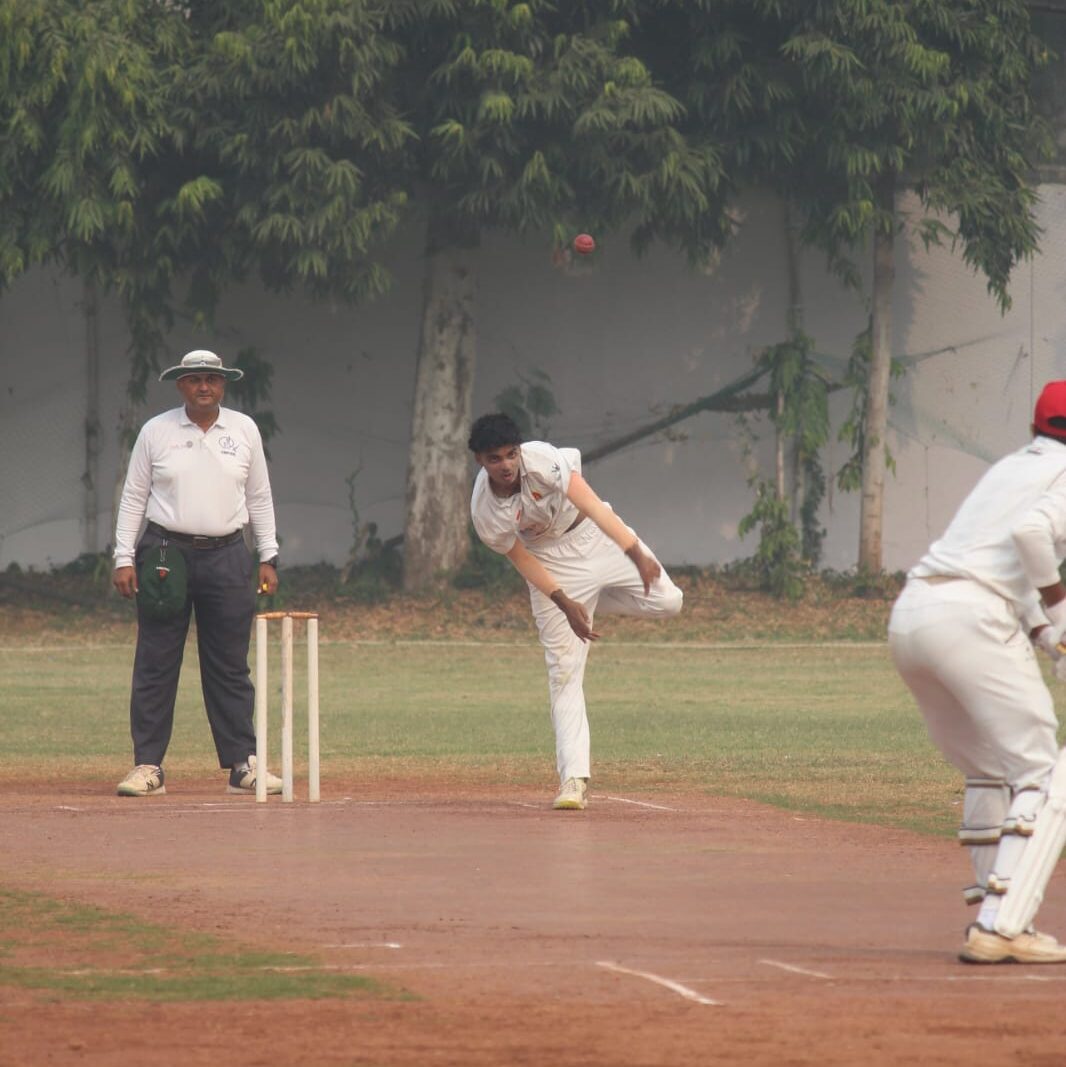
3. Left-Handers Are Taking Over
Gautam Gambhir’s influence is everywhere. Under his coaching, India now faces left-handers 51% of the time – a massive jump from 31% under Dravid.
The logic is classic match-up theory: righty-lefty combinations disrupt bowling lengths, make boundary protection asymmetric, and force captains to burn their “match-up” bowlers too early.
Across all T20s between full members, lefties faced 35% of deliveries in 2025—the highest ever.
England finally got the memo, building a squad deep enough to field four left-handers in their top seven (Ben Duckett, Jacob Bethell, Sam Curran, Liam Dawson) when conditions demand it—a flexibility they’ve already shown by rotating Ben Duckett and Jacob Bethell into the lineup based on match-ups.
The left-hander dominance is perhaps the most visible of all 2026 T20 World Cup trends.
4. Scoring Rates Have Gone Nuclear
I know this might not surprise you, but the numbers are staggering. In 2025, batting strike-rates in men’s T20s tipped over 130 for the first time – an increase of more than eight runs per 100 balls from 2024. Sixes are now hit more than twice as often as in 2003, occurring every 17.4 deliveries. The IPL’s impact rule (allowing an extra batter) has boosted scoring, but international cricket has kept pace.
You might remember the England vs South Africa match in which England’s 304-2 against South Africa last September sits third on the all-time list, and six of the seven highest T20 totals have come since the last World Cup. When T20 was introduced, if someone told you 300 could be scored, then you probably wouldn’t believe it. From childhood, I thought 300+ scores only come from Test or ODIs, but yeah, you can clearly see how fast and modern the game has become.
Modern equipment plays a huge role in this scoring explosion. From lighter bats to advanced analytics, the 6 game-changing cricket gadgets and tech tools I covered earlier are helping batters clear boundaries like never before.
5. The Death of “Match-Up” Obsession?
I remember when it was a kind of tradition that when a left-hand batsman comes, give bowling to an off-break bowler, and when a righty batsman come then left arm orthodox bowler. But the 2025-2026 cycle has proven that elite talent renders the spreadsheet obsolete.
India’s Abhishek Sharma, the world’s No. 1 T20 batter (at the time of writing the blog), averages 43.3 and strikes at 183 against off-spin – his supposed weakness. England’s Phil Salt and Jos Buttler dismantle left-arm spin with strike-rates of 148 and 137, respectively.
Players like Abhishek Sharma don’t just rely on skill – they need the perfect equipment too. That’s why I wrote about how to choose a cricket bat for players at every level.
Match-ups win you games in the league stage. At the World Cup knockout stage, the best players just find a way.
These five 2026 T20 World Cup trends will separate the champions from the rest.
Sources:
* “Trends and tactics to look for at 2026 T20 World Cup” – BBC Sport (February 2026).
* “India’s dominance looms over faster and more furious T20 World Cup” – The Guardian (February 2026).
* ESPN Cricinfo for Stats.
* You can check the score here: T20 World Cup 2026.
As we analyze 2026 T20 World Cup trends, the data tells a clear story.
Btw, as I’m writing the blog, India has already lost its first Super 8 match against the Proteas and won the second match against Zimbabwe.
What do you think India can still qualify for the semis? Tell me in the comments 😉