
Being Selfish In Cricket: Good or Bad?
Being selfish in cricket is one of the topics I have really wanted to talk about for a very long time. Is being a selfish player on the field good or bad? From my experience, I would say it’s mostly good, but why? I’ll explain it to you in this blog. Enjoy!
Table of Contents
1. Why Being Selfish Is Good

Every coach tells you to play for the team. But nobody tells you that playing for the team might cost your chances of getting selected for a higher team and eventually hurt your cricket career.
I know this may sound harsh, as cricket is known as a gentleman’s game. But unless you are already playing for the IPL or the national cricket team, if you want to reach that level like Domestic, IPL or National, you have to be selfish to some extent.
If you are playing club level selection matches, whether you are a batsman, bowler or anything else, you have to be selfish. Let me tell you a story of mine.
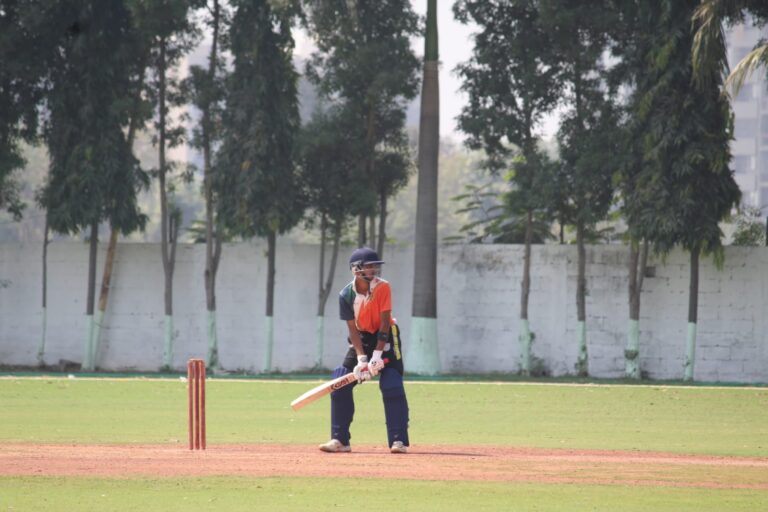
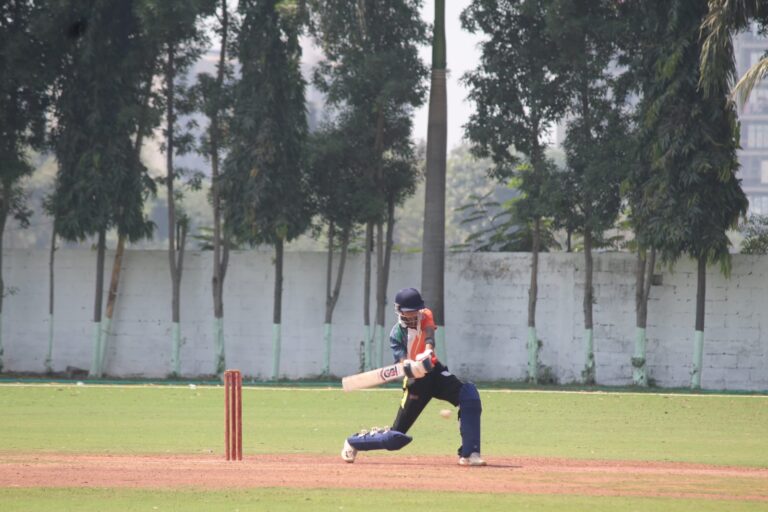
When I was playing my U-19 selection matches for representing Surat, Gujarat, I was an all-rounder and used to bat at either 6th or 7th down. Most of the time I stayed at the non-striker’s end while wickets kept falling around me. By the time I got to bat properly, I managed to score 20 to 30 runs on my own in an attacking mode and this was in 2-day test matches. In the end I did it for the team. But what about myself?
I scored 20 to 30 runs but because I was playing with an attacking approach I eventually got out. The scorecard read: Mitanshu scored 30 runs off so and so balls, dismissed by so and so bowler. This happened with me many times. I played for the team but the selectors played with me.
It was not just about batting, my bowling suffered too. As an all-rounder and spinner I was usually given the last bowling spell, typically the 4th or 5th. In selection matches each team has around 13 players and extra bowlers come in as replacements for batsmen during the bowling innings.
By the time I came on to bowl, either 8 wickets were already gone or I would be the first one to take a wicket. But as you know if you are playing a selection matches, stereotypes exist. The number of overs assigned to each bowler is often already decided even if you are taking wickets. Similarly the batting order is mostly fixed too, unless you are an player who has previously played at state level or above.
2. Being selfish in cricket goes beyond just playing for yourself
I still remember when I represented my district in U-14. I had a conversation with one of our coaches and he told me what can happen when you are competing with others for a spot in the state team. He said there will be times during selection matches when you are batting and your partner or the non-striker runs you out. It could be a genuine mistake or a miscommunication but it costs you your wicket. And what if that non-striker was your direct competitor? At the end of the day he gets selected because he scored more runs and spent more time at the crease.
To score runs, you need to take a good bat as well. Here is my well-guided blog on that: How to choose a cricket bat.
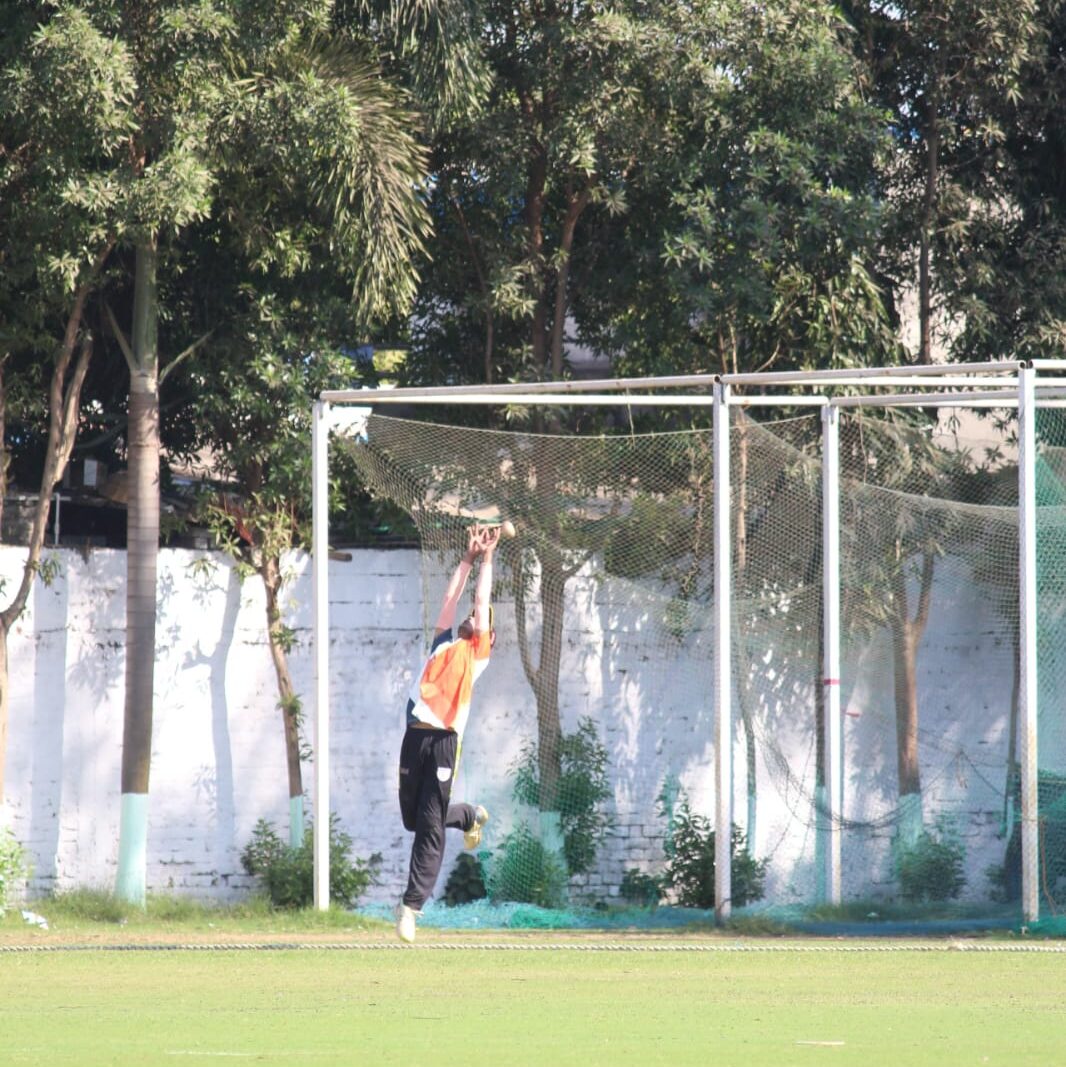
The same happens in bowling. Imagine you bowl a magical delivery, the batsman mistimes it and it goes straight to a fielder, maybe your competitor, and he drops an absolute sitter, the kind of catch even a novice would not miss. What do you expect then?
My coach told me in bowling always go for your own wickets. What does that mean? Take wickets that put only your name in the scorecard, not shared with any other fielder. For example bowled, caught and bowled, LBW. That advice changed how I thought about bowling forever.
3. The System Is Not Fair – And That’s The Reality
Let’s talk about the system.
If you have ever played at district or state level you might already know that the team is often decided even before the selection trials begin. Most players are already in the selector’s mind before a single ball is bowled.
Who are these players? Mostly those who have played at state level previously or were called up for a camp before. And honestly that is not entirely wrong because they showed potential at that level at some point. But I believe every year should be a fresh start regardless of past achievements.
Because of this those players have an edge. Even if they don’t perform well in selection matches they still make it to the camp. There is no real pressure on them because they know their scores in the trials won’t make or break their selection.
On the other hand a player who has been working hard for years but has not played at any level yet gets only a handful of matches to prove himself. If he fails he repeats the cycle and waits another year.
I know you might say players who have represented the state also worked hard and earned their place. Yes absolutely, at that time, in that year. But what I am saying is each year should start equally. No unfair advantages. If a player is truly good he will prove himself again. And if it is not his day that is what coaches and selectors are there for, to back the right talent.
4. The Smart Way To Be Selfish In Cricket
Being selfish in cricket the right way is an art. You have to score runs and take wickets without looking like you are only playing for yourself.
Here is what you can do as a batter. If you are batting at 6th, 7th or lower and there are still batsmen to come, rotate the strike, take singles and keep the partnership going. But when you are batting with the last man, go for boundaries as often as possible. Just don’t throw your wicket away. If you are confident enough to go big then go for it. But if not, take the double or the single. It does not matter if it is the last wicket. Your job is to stay at the crease as long as possible. Getting yourself out for a risky single that does not even matter is not worth it, especially in selection matches.
Sometimes players feel nervous on or before the match. To tackle that problem, here is my quick guide for you: Nervous before a match?Good.
The smart way to be selfish in cricket is to protect your own stats without hurting the team.
There are also times when selectors watch the match live rather than just reading the scorecard later. Use those moments to show your intent and technique but again never at the cost of your wicket.
“A smart batter protects his own wicket first because he knows the real cost of losing it.”
The same logic applies to bowling. As I mentioned earlier try to take your own wickets as much as possible. One good spell without wickets means nothing. Selectors want to see the wickets column more than anything else, more than economy, maidens or any other stat. I am specifically talking about test matches here. In limited overs cricket economy and maidens do matter but even then not as much as wickets.
Being selfish in cricket does not make you a bad person or a bad teammate.
“Some players learned this the hard way. They played for the team in matches where the team’s result did not matter to selectors as much as their own individual scorecard did.”
5. Where Selfishness Goes Too Far (The Line)
There is a thin line when being selfish in cricket becomes toxic.
When my coach first told me all of this I thought he was being too harsh. But the more matches I played the more I understood what he meant.
I remember playing a practice match where I was batting with a senior player. He was so selfish that he would always tell whoever was at the non-striker’s end to start hitting boundaries straight away, not just a boundary here and there but to go after every ball from the very first delivery. This was his personal philosophy. Meanwhile he himself would take his time to settle at the crease before attacking. He was a good player but that double standard said everything about the kind of teammate he was.
In bowling I will be honest, I have dropped catches myself, mostly in practice or warm up matches. But during selection matches I rarely dropped any. That experience made me decide that I will mostly try to take wickets through my own efforts. And even if someone drops a catch off my bowling by mistake or goes through a bad patch I won’t scold them. Everyone has bad days.
And then there is celebration. At selection level it is genuinely hard to fully celebrate when the player competing for your exact spot takes a five-wicket haul. That is just human nature. But the players who visibly don’t celebrate, who turn their back, who make the dressing room feel cold and tense, that is where it becomes toxic.
“Being selfish to protect your career is understandable. Being selfish in a way that actively destroys someone else’s, that is where you have crossed the line. Cricket will remember that even if selectors don’t.”
You can check any test match scorecard on ESPNcricinfo and the first thing selectors look at is the wickets column.
What’s your opinion on it.
Tell me in the comments:)