
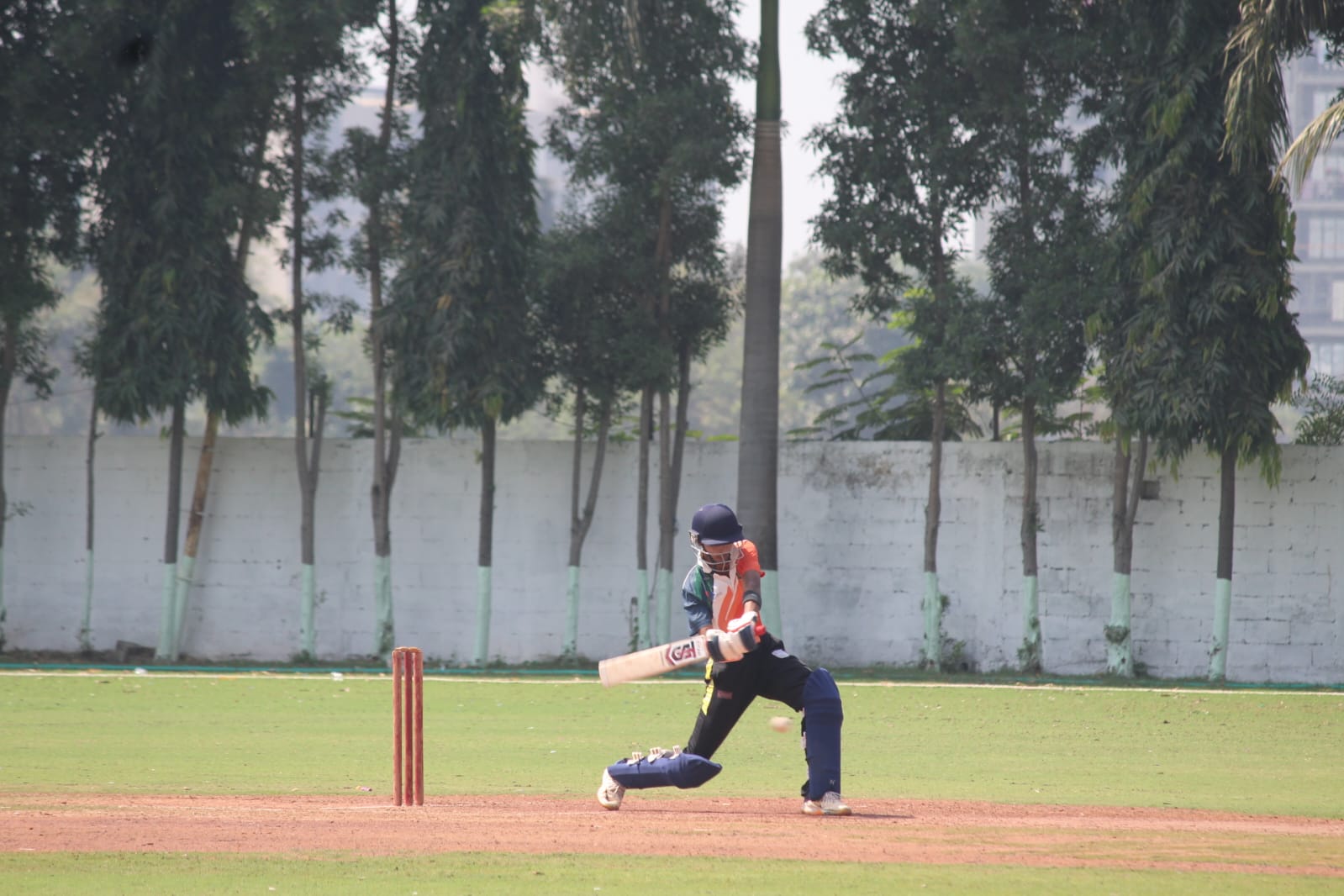
How to Time the Cricket Ball: My Step-by-Step Guide From Facing Every Type of Bowler
Want to know how to improve batting timing? Yeah, yeah, we’ve all heard it’s ‘crucial.’ But what does that actually mean? It’s the difference between a weak chip and that sweet ‘PING!’ that sends the ball flying for a SIX without you even feeling like you tried. Let’s cut to the chase.
Quick Navigation – What’s Inside:
- Step 1: The Perfect Bat Grip Foundation
- Step 2: The Down-Swing Technique
- Step 3: Muscle Activation Secrets
- Final Word
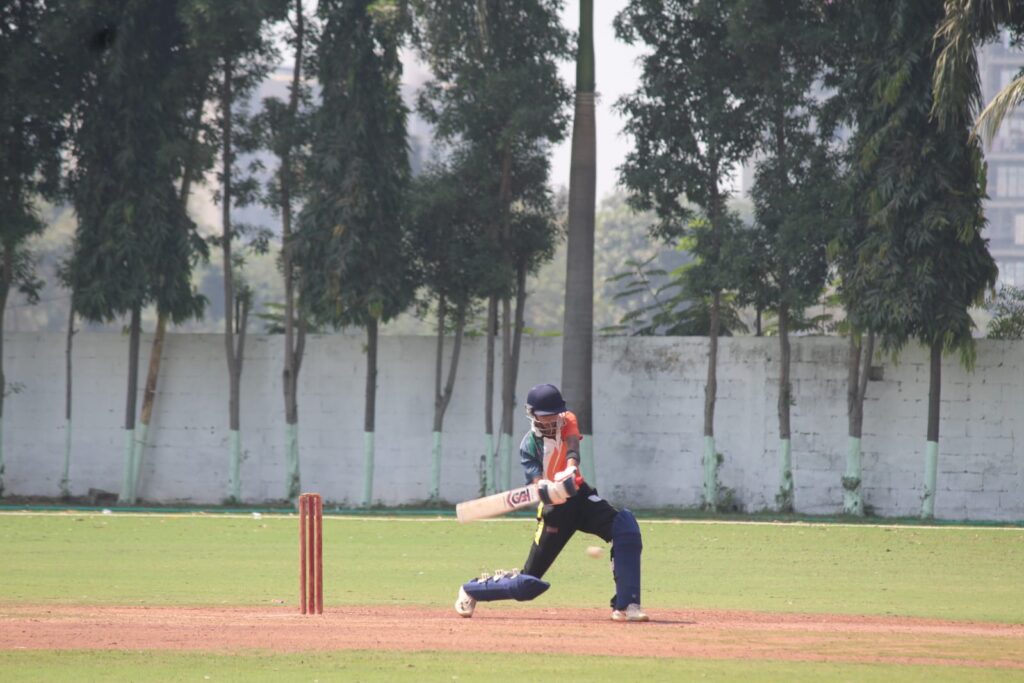
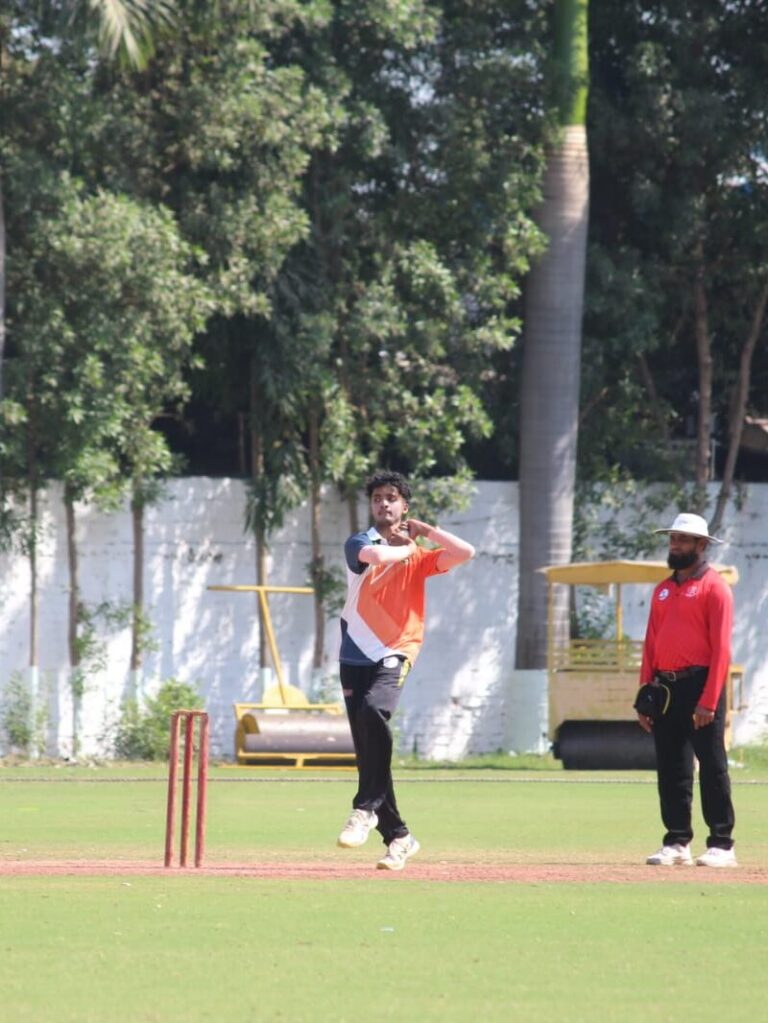
In my life, I have faced all types of bowlers, from normal off-spinners to mystery spinners, left-arm orthodox to chinaman bowlers. In most cases, when you look at some bowlers, they have higher speeds than others. In fact, even pace bowlers vary, with some bowling really fast and some being medium-paced bowlers. So many variations come at you in a match, and you have to be ready for every single ball.
For this, timing the ball is your best friend. It’s the one thing that works against every bowler in your book. That’s why learning to improve your batting timing should be every batter’s top priority.
So, how do you get better at it? I’ll give you the same tips I use when I walk out to play. Forget complicated theories; this is the step-by-step process I follow to improve my batting timing:
My 3-Step System to Improve Batting Timing
1.The Grip – It all starts here.
2.Bat Down-Swing – The moment of truth.
3.Muscle Activation – Mainly core, forearms, and legs.
Step 1: The Grip – Your Connection to the Bat
First and foremost thing to take a note is How you grip you bat, it is one of the main thing as wrongly gripping the bat can constrain your variations of shot.
How To Grip The Bat: I always make sure the ‘V’ shape between my thumb and index finger on both hands points straight down the back of the handle. Not towards the off-side, not behind me. This is a neutral grip that works for me.
Before gripping I draw a straight line behind the bat and from there i put my thumb of one side of the line and other portion on other side, and vice versa on the other hand. (4 fingers on previous thumb side and thumb on previous 4 fingers)
This simple grip adjustment alone will help improve your batting timing immediately.
Now you can asked me WHY It is useful or necessary to grip the bat in this way?
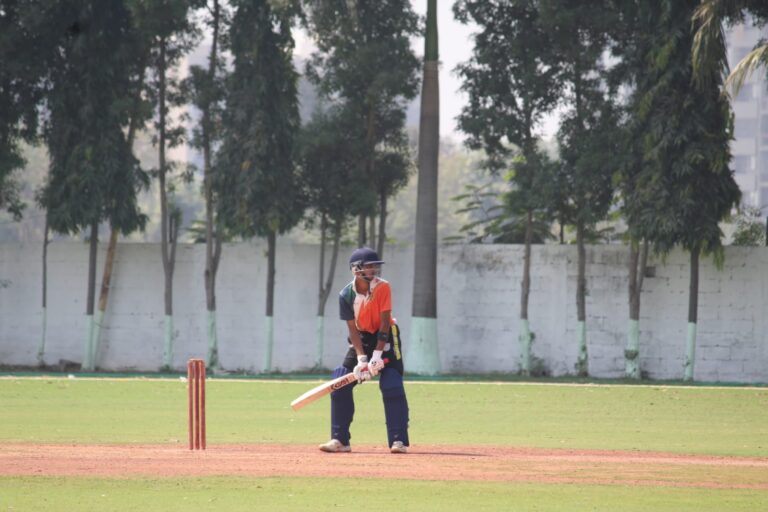
It is because when you grip the bat wrongly then it is impossible to play certain shot like in my case i used to grip the bat little closed, due to which i had very difficulty to play On-Drive or even Straight-Drive, so I neutralized the grip and my bat position at the time of stance (bat face should be between 1st slip and keeper not far from body because it will become difficult to play inswing delivery, cause it makes gap between bat and pad when coming down).
For a visual reference, check out the How to Hold a Cricket Bat which shows the grip perfectly.
Step 2: The Bat Down-Swing – Meeting the Ball, Not Chasing It
This is where timing happens. The downswing is not a wild swing that you have to do. It’s a controlled path to the ball.
My Key Thought: As I told you, I picked my bat up straight back towards the stumps. If I pick it up towards slip, my swing becomes a big circle, and I’m always late.(except shots like pull or hook where bat came away from you like chopping a tree with a sword), This adjustment alone will help improve your batting timing immediately.
The ‘Drop’ and the Head: As the bowler releases, my hands “drop” the bat down from the backlift. The big secret? My head stays still. My eyes are locked on the ball. Whether it’s a 140 kph quick or a looping spinner, if my head is steady, I can judge the length and bring my bat down on the right path.
Step 3: Muscle Activation – Using Your Body As Your Key Weapon
I think muscle activation is a very crucial part, that’s why maybe you have seen or heard from many coaches or pro players that working on your fitness can make a significant change in your way of playing.
Legs (The Foundation): Everything starts from the ground. When I play a drive, my front leg is firm, and I transfer my weight from my back foot through the ball. The power comes from my legs pushing into the pitch.
Core (The Connector): Your stomach and side muscles are the link between your legs and your arms. A tight core keeps you balanced. When I’m facing a mystery spinner and need to adjust last second, it’s my core that keeps me stable so my arms can react. also, at the same time when hitting the ball to the leg side, the core plays a very important role.
Forearms & Wrists (The Final Flick): This is the magic. At the very last second before impact, I give a small, sharp squeeze with my bottom hand and a flick of my wrists. This isn’t a muscle flex; it’s a quick, whip-like action that adds pace to the ball. It’s what turns a good shot into a great one.
Putting It All Together:
Before I bat, I don’t just think about hitting. I go through this mental checklist:
- Grip – Check the ‘V’.
- Stance – Comfortable, head still.
- Watch the Ball – From the bowler’s hand all the way onto the bat.
Stick to this, and you’ll see a real difference in how you improve your batting timing.
Final Word
Facing different bowlers is the great challenge of cricket. But the answer isn’t a different technique for each one. The answer is mastering the basics that work against all of them: a solid grip, a straight bat path, and using the whole body in sync. Master these steps, and you’ll consistently improve your batting timing against any bowler type.
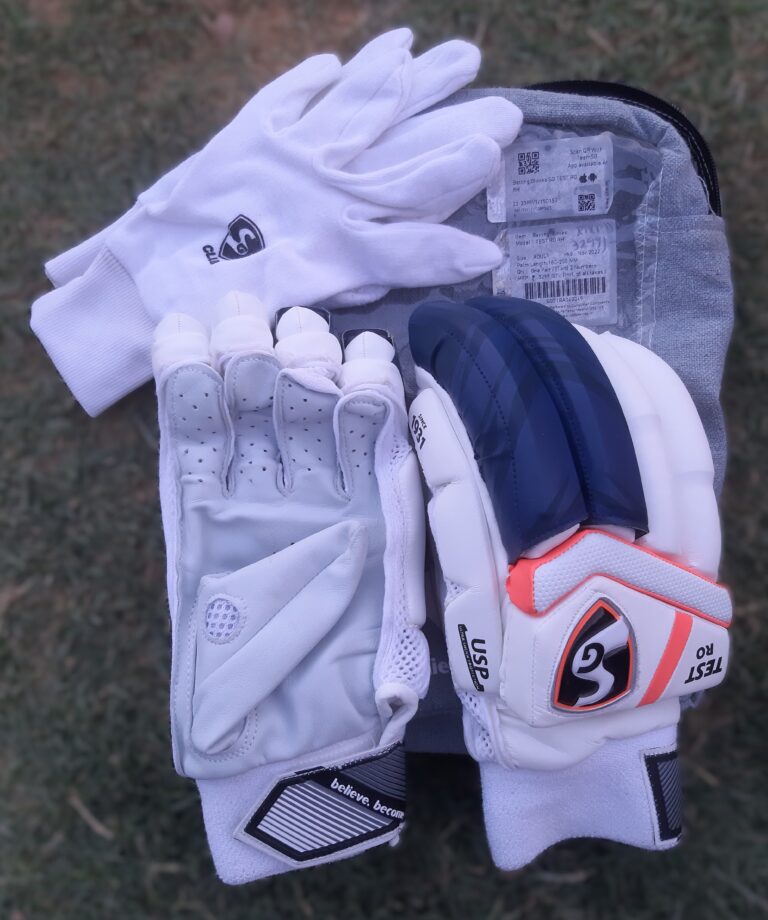
Just like improving your batting timing requires the right technique, choosing the right gloves requires proper research.
What type of bowler do you find hardest to time? Let me know—we can break it down in the next post.


Bhai gile pitch pe kese khele jay
Gile pitch ko suchne doo :)… just kidding, ball ko last movement tak body ke pas aane do then shot khelo because gille pitch mai ball fass ke aata hai aage kheloege toh misttime hone ke chance jyada hai.