Trigger Movement Decoded: Types, Uses, Mistakes & Drills
What is Trigger Movement in Cricket?
In cricket batting, trigger movement is that small but crucial step that separates being ready from being late.
Imagine facing a 140+ kph thunderbolt. The ball is released, but your feet are stuck in crease. By the time you move, it’s past you. This is the nightmare a proper trigger movement is designed to prevent.
Think of it as your body’s “wake-up call” before the ball arrives. It’s that small, intentional shift of weight and position that primes your nervous system, gets you balanced, and gets you ready to react-not just to start reacting.
Let’s clear something up: initial movement, trigger movement, or a shuffle-they all refer to the same core idea: a preparatory movement completed before the ball is released. In this guide, I’ll break down why it matters, how to do it right, and how to practice it.
Is a Trigger Movement Necessary?
The simple answer is: Not for everyone, but highly beneficial for most.
Legendary players like Virender Sehwag famously used minimal triggers, relying on incredible hand-eye coordination. However, for the vast majority of batters-especially against high pace or quality spin-a consistent trigger provides a critical foundation. It solves the problem of being caught flat-footed. So while it’s not an absolute law, it’s one of the most effective tools in a modern batsman’s toolkit.
Types of Cricket Trigger Movements:
Yeah, there are endless variations, but practically speaking, most batters use one of these:
- Back & Across for pace (Back foot movement)
You can’t afford to be lazy against pace. The “back and across” trigger means shifting your back foot (right foot for a right-hander) back slightly and toward the off side, usually toward the middle stump. Your front foot may also move a little across.
Some batters start outside leg stump and use this trigger to get to the middle. Others only go across without moving back. Both work.
The key is: finish your trigger before the bowler releases the ball.
- Forward for spin (front foot movement)
Not everyone uses a trigger against spin, but players like Virat Kohli and AB de Villiers do – especially in T20s.
Here, your back leg stays planted. Your front leg moves forward slightly, coming in line with your back leg.
Be careful with this one: against certain spinners (like a left-arm orthodox to a right-hander), moving forward early can get you into trouble.
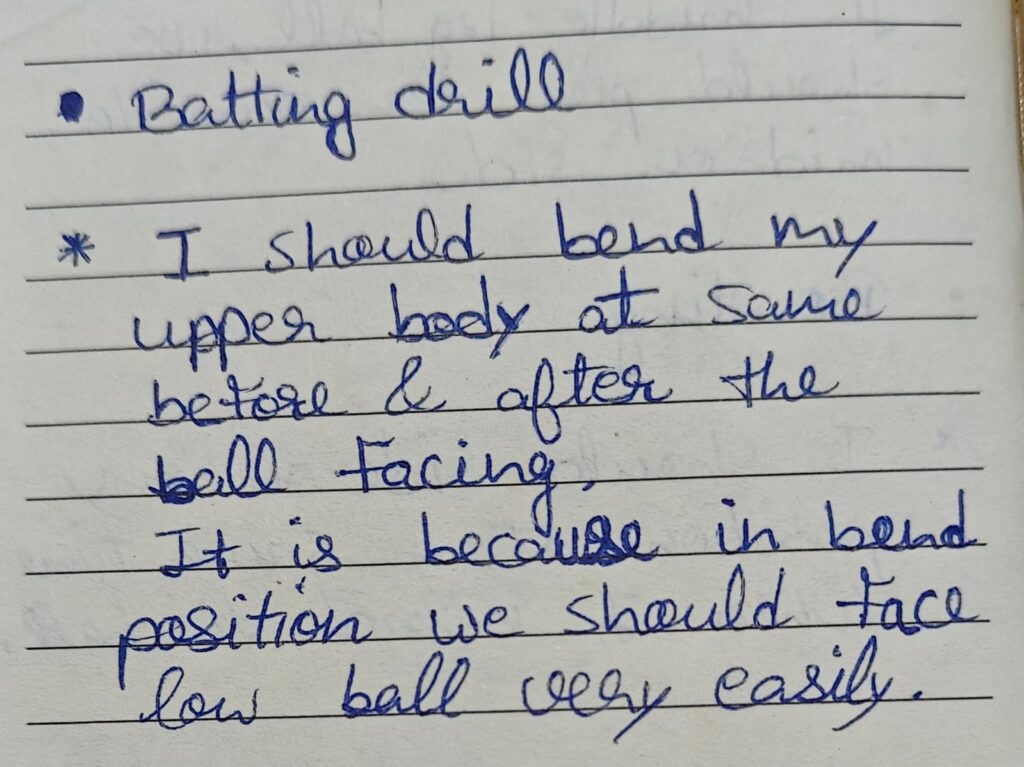
Rules for a Good Trigger Movement:
Doing trigger movement comes with some rules, They are;
- Always complete the trigger movement before the release of the ball from the bowler’s hand.
- It is not necessary to do trigger movement back & across, you can do across only.
- Trigger Movement should be a very little movement like going from leg stump to middle-leg or middle stump.
- Your body should be in same position (bending position), as it was before doing trigger movement.
- Never open you body when doing trigger movement, always be in the same position after completing trigger movement where you are before. (Body bend and align)
Keeping your body aligned during your trigger helps maintain balance and control — right down to your grip and comfort. Speaking of comfort and control, your gloves play a big role. I compared top gloves like BAS here. - Trigger movement varies from bowler to bowler.
- It’s not necessary to do trigger movement, As some players still play good cricket without trigger movement.
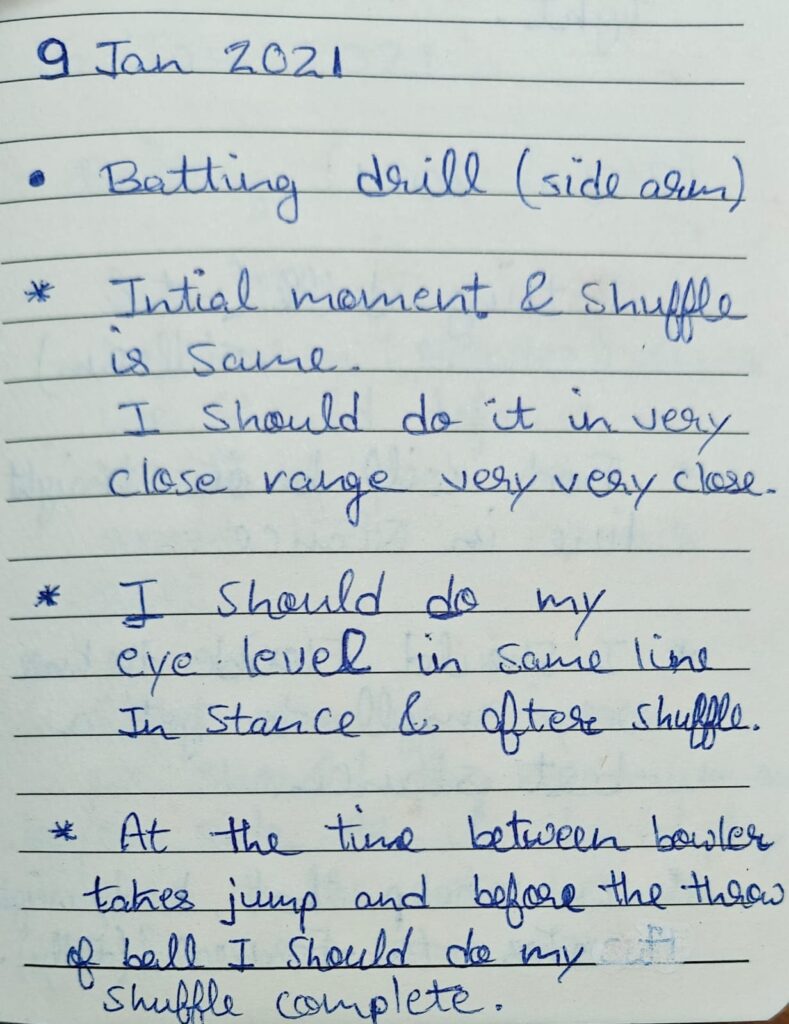
Practising your trigger consistently sharpens your readiness. But readiness alone isn’t enough –timing turns preparation into runs. Once your movement is set, improve your timing after the trigger movement.
How You Can Improve Trigger Movement:
Practice
To get good at your trigger, you have to practice regularly in the nets and in practice matches. Make up your mind: “Against every fast bowler, I’ll use my trigger.”
At first, you might not get it right—you’ll complete the movement late, after the ball is already released. But if you keep doing it, again and again, eventually it’ll click. Repetition is everything.
Gym
For quick, sharp movement, you need strong legs. Work hard in the gym. Do exercises for your legs, hamstrings, glutes – all of it.
The gym won’t just help your trigger; it’ll develop you into a different kind of athlete. In the long run, you’ll be amazed by the results – how effortlessly you hit the ball to the boundary, how much longer you stay at the crease, and so many other benefits that come with being stronger and fitter.
Mastering your trigger movement is about balance and timing — just like choosing the right bat. Once your feet are set, having a bat that matches your style makes all the difference. Learn how to pick the perfect one here.
Drill That You Can Perform:
Some of the drill you can perform are:
- 15-yard throw: You can ask a friend or coach to throw a ball to you. In this drill, make it clear that you’re going to perform your trigger movement for every single ball.
- Tell them to pause sometimes between throws—not delivering the ball right away. This will help you test your balance.
If you find yourself off-balance, it’s usually because your head has moved too far across. That’s what you need to work on.
Conclusion:
If you’re still wondering whether trigger movement is for you, try it in nets for a week. Start small, stay balanced, and notice if you feel more prepared. Whether you adopt it or not, understanding trigger movement will make you a smarter batsman.
Overall, trigger movement helps prepare you for the ball that’s coming. But it’s not something you must do.
If it’s not for you, that’s okay—you can find your own way to focus.
Sing your favorite song like Virender Sehwag did, or just strap and unstrap your gloves.
You can also take benefit from this youtube video:
DO YOU NEED A TRIGGER MOVEMENT TO BE A GREAT BATTER? | CRICKET BATTING BASICS